
Green Financing
Annual Allocation
and Impact Report
April 2026
1.0
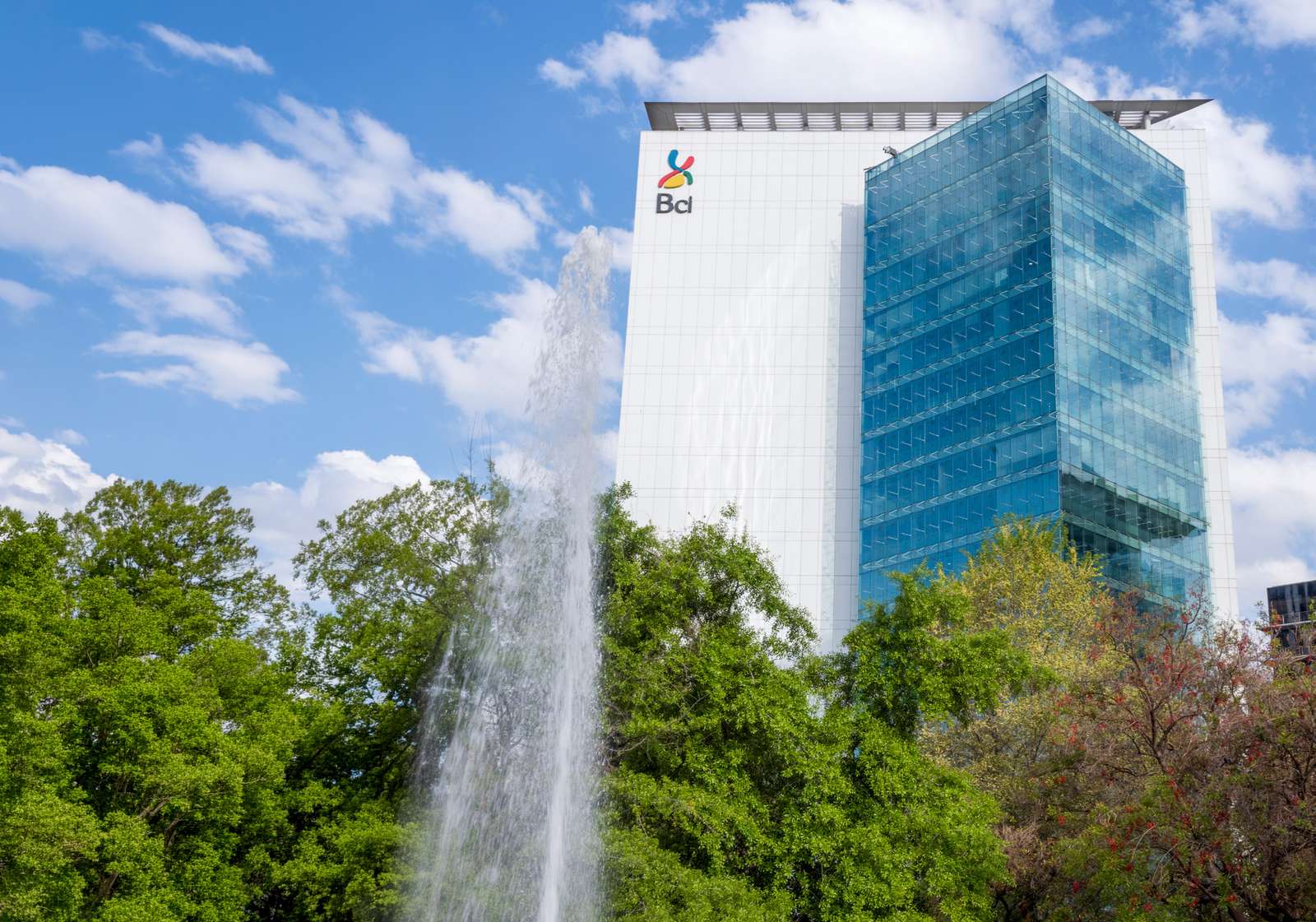
Bci
Overview
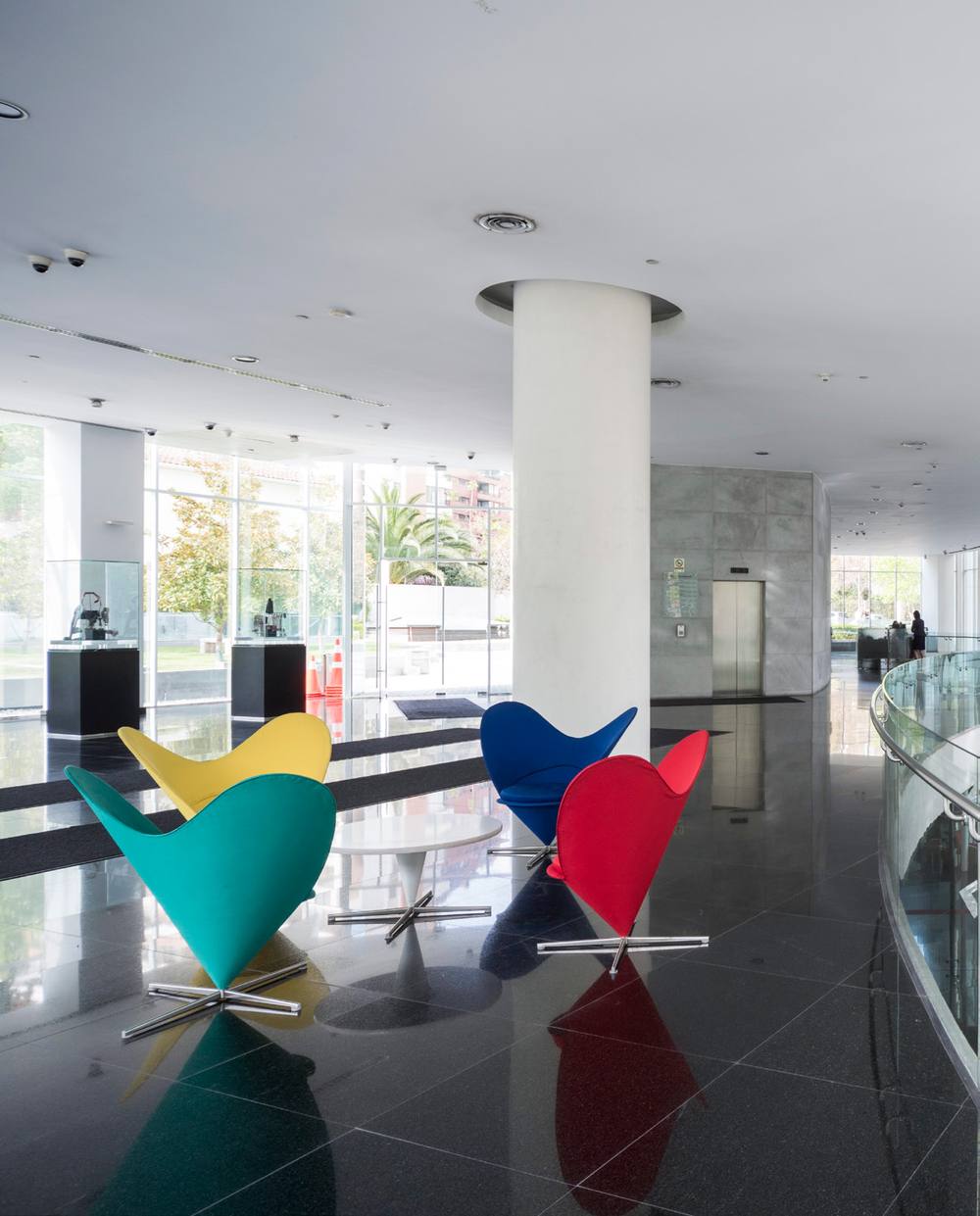
Banco de Crédito e Inversiones, “Bci,” opened its doors to the public on June 10, 1937. Since then, we have stood out for an innovative spirit, a high determination for the quality of service and the firm purpose of reaching all Chileans.
With a diversified presence in America, we are one of the leading financial groups in the region and the largest Bank in the country by total assets (as of December 31, 2025). We have different subsidiaries that complement and strengthen our value proposition, including City National Bank of Florida (“CNB”) one of the top-tier local banks in the state of Florida, acquired in 2015.
We have more than 175 service points in Chile, international presence in the United States, Peru, Colombia, Brazil, Mexico and China. The Bank has more than 8,600 employees in Chile and around 2,300 in its subsidiaries City National Bank of Florida and Bci Perú.
The Bank has a solid corporate governance structure backed by one of the main economic groups in Chile, the Yarur group. Its shareholders have appointed directors that include prestigious Chilean academics and businesspeople with extensive experience in the banking industry. The board also includes two independent directors who participate in various Committees and are highly involved in the Bank's decision-making process.
Since its foundation, Bci has firmly believed in long-term relationships with its stakeholders, especially with entrepreneurs: Not only is the type of business we do important for us, but even more important is "how we do business." Its corporate governance, organizational culture, innovation and strong customer focus have allowed Bci to maintain a healthy expansion of assets and sustain its strategy.
The Bank's strategic priorities rely on the following pillars and objectives:
-
Personalized and omnichannel experience
offer solutions (and not just products) leveraged in innovation, the smart and responsible use of data and the development of ecosystems.
-
People-focused culture
foster collaboration, diversity, empowerment, focused on the client and underpinned by Bci’s values.
-
Ambitious and sustainable growth
attain growth leveraged in new business models, beyond financial products, with a large improvement of efficiency, return on capital and suitable risk levels.

Bci’s Approach to Sustainability
We believe sustainability is key to the survival of any institution over time and essential to the role we play in the economy, environment and social development of Chile and beyond.
We continuously strive to enhance our ability to generate positive impact on society, integrating and generating economic, community and environmental impact from the business, and creating value for customers, employees and the community.
Our Strategic Pillars Are: We focus on three strategic pillars to materialize the impact we seek to achieve:
-
Sustainable Financing and Investment:
To accompany our clients in their progress towards reducing their emissions, through solutions that facilitate a climate transition.
-
Empowerment and Community Financing:
Promote the development of underserved people and SMEs through solutions that enable access, financial health and growth.
-
Consistency between our Declarations and Actions:
Strengthen relationships of trust with our stakeholders, strengthening the measurement, management and disclosure of our ESG performance.
2.0
Sustainable Financing Framework Overview
In February 2025, Bci published a new version of its Sustainable Financing Framework (the “Framework”)1. The Framework is governed by the Green Bond Principles 2021 ("GBP"), the Social Bond Principles 2023 ("SBP"), the Sustainability Bond Guidelines ("SBG") 2021, developed by the International Capital Market Association (“ICMA”), as well as the Green Loan Principles ("GLP") 2023 and the Social Loan Principles ("SLP") 2023 developed by the Loan Market Association (LMA), Asia Pacific Loan Market Association (APLMA) and Loan Syndications & Trading Association (LSTA).
The Framework is a set of voluntary guidelines that recommend transparency, disclosure and promote integrity in the development of “Sustainable Debt instruments” like Bonds, Loans, Commercial Paper and Private Placements. This Framework is aligned with the following four core components:
- 1. Use of Proceeds
- 2. Process for Project Evaluation and Selection
- 3. Management of Proceeds
- 4. Reporting
Additionally, the Framework has obtained an independent verification assessment from S&P, a qualified Second-Party Opinion Provider2.

- 1 Link to the Sustainable Financing Framework: https://www.bci.cl/investor-relations/en/investors/general-framework-for-sustainable-financing/sustainability-financing-framework-2025
- 2 Link to SPO: https://www.bci.cl/investor-relations/en/investors/general-framework-for-sustainable-financing/sandp-second-party-opinion-2025
Use of Proceeds
1. Use of Proceeds: The use of the resources from the sustainable debt instruments will be exclusively to finance or refinance, totally or partially, the Eligible Assets. These assets include, among others, financing for companies, businesses and projects that meet the criteria described in the Eligible Categories.
Eligible Green Categories
- Renewable Energy
- Clean Transportation
- Energy Efficiency
- Green Buildings
- Pollution Prevention and Control
- Sustainable Water and Wastewater Management
- Sustainable Management of Living Natural Resources and Land Use
- Terrestrial and Aquatic Biodiversity Conservation
Process for Project Evaluation and Selection
Bci has established a Sustainable Finance Team who will meet monthly to screen potential new eligible assets, review details about the size and composition of the assigned portfolio, monitor the progress of asset allocation, and reassess the eligibility of assets when needed. The assets determined as eligible by the Sustainable Finance Team will be formally reviewed and approved by the Assets & Liabilities Committee (“ALCO”).


Management of Proceeds
All eligible assets are managed in separate portfolios for green, social and sustainable categories aiming to ensure that the total amounts under each are equal to or greater than the total net proceeds of the respective Sustainable Debt Instrument outstanding. The International Financial Institutions team is responsible for the allocation of the Eligible Assets to each issuance, according to the conditions of each one.
Reporting
As stated in our Sustainability Financing Framework, Bci intends to publish an annual report that contains a review of current green, social and/or sustainable issuances, which will be publicly available on our website. The report will include information on the allocation of the proceeds and key performance indicators to measure impact metrics of assets where feasible.

3.0
Sustainable Financing Instruments
Bci has issued six bonds under the framework between 2021 and 2025 for a total of USD-equivalent 511.5MM used to finance and/or refinance Eligible Green Projects described in the Framework.
With these transactions, Bci continues to drive its strategy of financing assets that includes the best environmental, social and governance (ESG) practices, and to attain a greater strategic diversification of its financing, considering the growing interest of international investors in contributing to its portfolios of ESG assets.

Key Details and Summary3:
| Instrument | Bond 1 | Bond 2 | Bond 3 | Bond 4 | Bond 5 | Bond 6 |
|---|---|---|---|---|---|---|
| Currency | USD | JPY | CHF | USD | USD | CHF |
| Amount in USD | 54,000,000 | 44,000,000 | 216,000,000 | 20,000,000 | 12,500,000 | 165,000,000 |
| Date of Pricing | March 10, 2021 | December 15, 2021 | January 05, 2022 | February 24, 2025 | March 03, 2025 | November 12, 2025 |
| Date of Settlement | March 17, 2021 | January 07, 2022 | January 26, 2022 | March 03, 2025 | March 11, 2025 | December 03, 2025 |
| Maturity | December 3, 2029 | January 07, 2027 | April 26, 2027 | March 03, 2032 | March 11, 2030 | December 03, 2031 |
| Yield | 2.37% | 0.50% | 0.5994% | SOFR + 1.20% | SOFR + 1.08% | 1.1825% |
| ISIN | XS2318617185 | XS2424489958 | CH1142512339 | XS3015679874 | XS3019799165 | CH1503892668 |
-
Bond 1
- Currency
- USD
- Amount in USD
- 54,000,000
- Date of Pricing
- March 10, 2021
- Date of Settlement
- March 17, 2021
- Maturity
- December 3, 2029
- Yield
- 2.37%
- ISIN
- XS2318617185
-
Bond 2
- Currency
- JPY
- Amount in USD
- 44,000,000
- Date of Pricing
- December 15, 2021
- Date of Settlement
- January 07, 2022
- Maturity
- January 07, 2027
- Yield
- 0.50%
- ISIN
- XS2424489958
-
Bond 3
- Currency
- CHF
- Amount in USD
- 216,000,000
- Date of Pricing
- January 05, 2022
- Date of Settlement
- January 26, 2022
- Maturity
- April 26, 2027
- Yield
- 0.5994%
- ISIN
- CH1142512339
-
Bond 4
- Currency
- USD
- Amount in USD
- 20,000,000
- Date of Pricing
- February 24, 2025
- Date of Settlement
- March 03, 2025
- Maturity
- March 03, 2032
- Yield
- SOFR + 1.20%
- ISIN
- XS3015679874
-
Bond 5
- Currency
- USD
- Amount in USD
- 12,500,000
- Date of Pricing
- March 03, 2025
- Date of Settlement
- March 11, 2025
- Maturity
- March 11, 2030
- Yield
- SOFR + 1.08%
- ISIN
- XS3019799165
-
Bond 6
- Currency
- CHF
- Amount in USD
- 165,000,000
- Date of Pricing
- November 12, 2025
- Date of Settlement
- December 03, 2025
- Maturity
- December 03, 2031
- Yield
- 1.1825%
- ISIN
- CH1503892668
3 As of March 2026

Bond 1:
Private placement with an Asian investor that had HSBC as dealer. This was the first green bond issued under Bci’s Sustainable Financing Framework after its publication in September 2021. The proceeds of this placement will be mainly allocated to the financing of non-conventional renewable energy projects.
Bond 2:
Private placement with the investor The Dai-ichi Frontier Life Insurance Co. that had the support of Nomura International plc. The proceeds of this placement will be allocated to the financing of non-conventional renewable energy projects.
Bond 3:
First public Benchmark Green Bond of a Chilean bank in any market. The success of this transaction reflects the value of having a framework with a Second-party Opinion from S&P. The transaction was rated A2 by Moody’s and A- by S&P.
Bci was advised by the European banks BNP Paribas and Credit Suisse, the latter qualifying the transaction as one of the most successful in the history of the region for the amount financed.
It is the largest transaction that Bci has made in Switzerland, which amounted to CHF 200MM, which is also the largest current Green Bond for a Chilean bank. Bci was able to generate substantial demand by drawing in additional investors attracted to the “Green” element of the transaction.
-
Bond 4:
Private placement issued on March 3, 2025, with Daiwa Capital Markets acting as the sole book runner. USD 20 million floating rate note maturing in March 2032, linked to the Overnight SOFR plus a spread of 120 bps. Issued under the Green Bond label, the proceeds are earmarked for the financing or refinancing of eligible green projects—likely focused on renewable energy or energy efficiency—consistent with Bci’s Sustainable Financing Framework.
-
Bond 5:
Private placement issued on March 11, 2025, also supported by Daiwa Capital Markets as the sole book runner. USD 12.5 million floating rate note maturing in March 2030, with a coupon formula of Overnight SOFR plus 108 bps. This green-labeled issuance continues Bci's strategy of utilizing private placements to attract specialized ESG-focused capital, with proceeds allocated toward non-conventional renewable energy (NCRE) and other sustainable initiatives.
-
Bond 6:
First Public sustainable benchmark transaction in the Swiss market, issued on December 3, 2025, with BNP Paribas, Commerzbank, and UBS as book runners. CHF 130 million (USD 165 million) fixed-rate bond maturing in December 2031, carrying a coupon of 1.1825% and priced at a spread of +96 bps over the SARON Mid-Swap. This transaction highlights Bci’s strong credit standing, rated A2 by Moody’s and A- by S&P. The proceeds are dedicated to high-impact green and social categories, reinforcing the bank's commitment to international ESG reporting standards and Second-party Opinions.

Geographical ESG Bond Investor Summary
As of March 2026
4.0
Allocation of Bond Proceeds and Projects
The total amount Bci has raised through its Green and Sustainable Bonds is equivalent to USD 511.5 million. In the fourth year of this report, these funds have been 100% allocated, financing twenty-four companies in the following categories of the Framework: Renewable Energy, Clean Transportation, Sustainable Water and Wastewater Management, Access to Essential Services: Health & Education and Socioeconomic Advancement & Empowerment.
The table below presents a brief description and impact metrics regarding the allocation of the funds raised4:
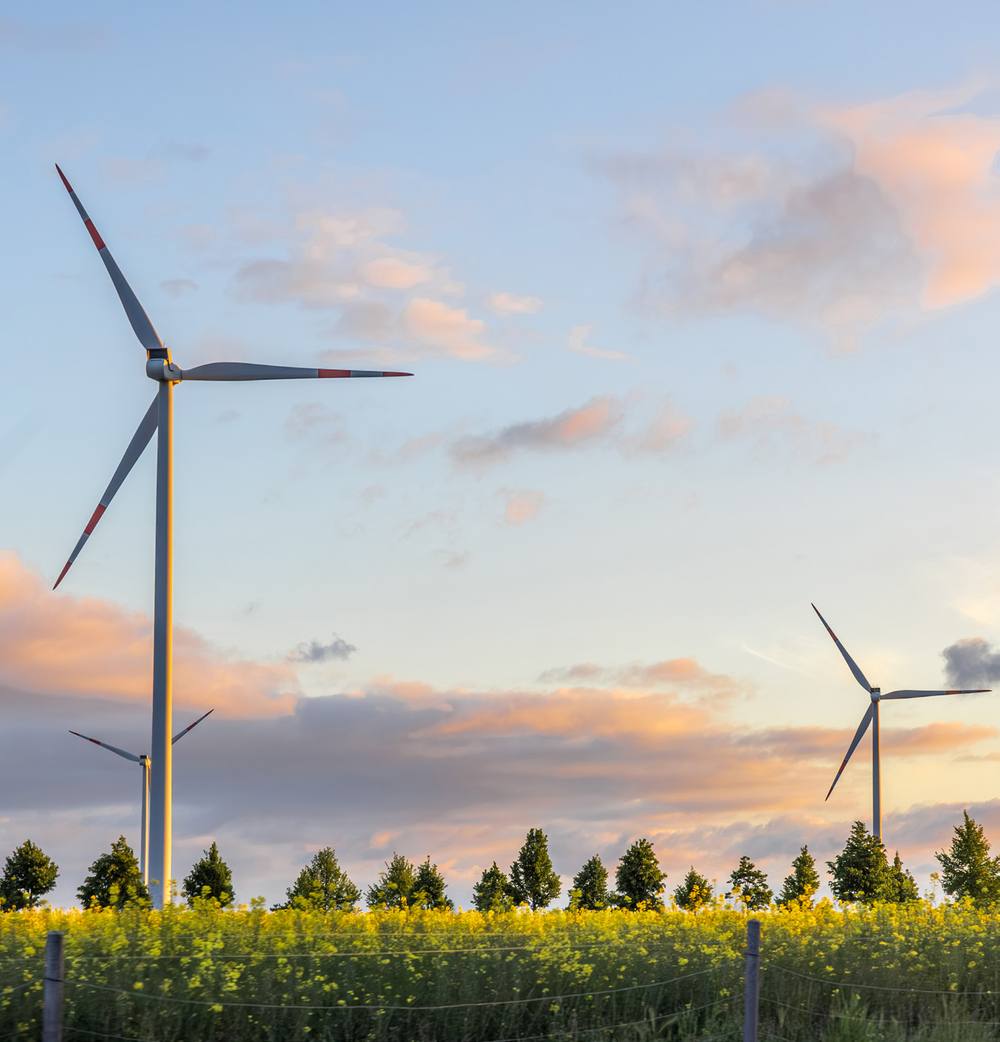
Portfolio Allocation by Sector:
4 As of March 2026

| Green Project Category / Use of Proceeds | Number of Companies | Number of Projects | Committed Amount (USD) | Allocated Amount (USD) | Impact Reported |
|---|---|---|---|---|---|
| Solar Energy (Renewable Energy) | 6 | 6 | 170,600,000 | 80,400,000 | 145.4 MW of installed capacity |
| Wind Energy (Renewable Energy) | 1 | 1 | 16,000,000 | 15,200,000 | 13.4 MW of installed capacity |
| Hydroelectric Power (Renewable Energy) | 2 | 2 | 49,540,000 | 49,540,000 | 18.3 MW of installed capacity |
| Clean Transportation | 1 | 1 | 115,000,000 | 108,000,000 | 15,000 passengers transported per km daily |
| Sustainable Water and Wastewater Management | 2 | 1 | 75,000,000 | 70,800,000 | 69 l/s |
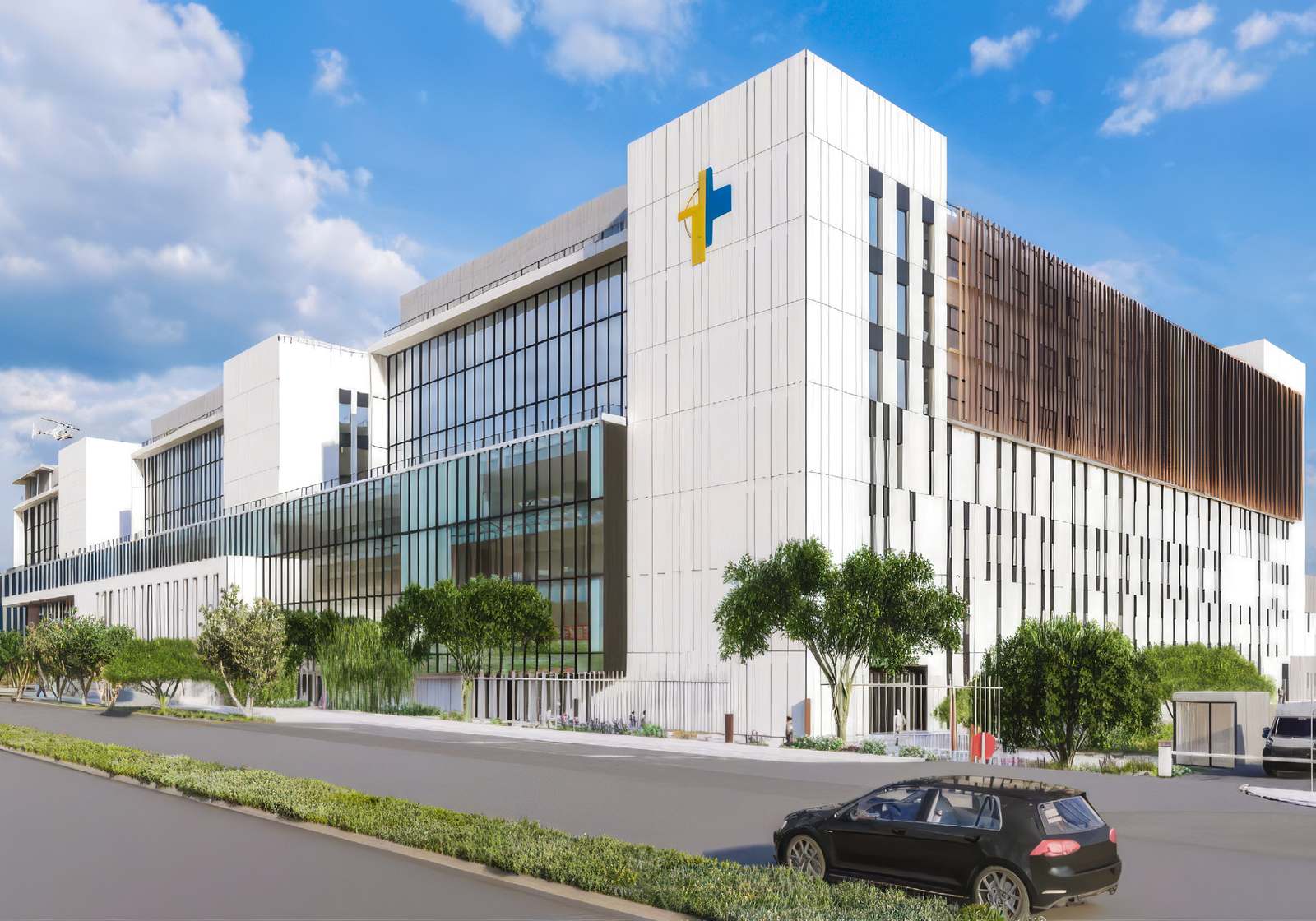
| Access to Essential Services: Health & Education | 2 | 2 | 275,000,000 | 36,000,000 | 1,100 beds |
| Socioeconomic Advancement & Empowerment | 4 | 4 | 216,000,000 | 30,000,000 | 7,149,395 beneficiaries |
| Pure Play Working Capital | 6 | 6 | 466,200,000 | 121,560,000 | Does not apply |
| Total Amount Issued in bonds | 511,500,000 | ||||
| Total Committed Amount | 1,383,340,000 | ||||
| Total Allocated | 511,500,000 | ||||
| Percentage of allocated funds as of March 2026 | 100% | ||||
-
Solar Energy (Renewable Energy)
- Number of Companies
- 6
- Number of Projects
- 6
- Committed Amount (USD)
- 170,600,000
- Allocated Amount (USD)
- 80,400,000
- Impact Reported
- 145.4 MW of installed capacity
-
Wind Energy (Renewable Energy)
- Number of Companies
- 1
- Number of Projects
- 1
- Committed Amount (USD)
- 16,000,000
- Allocated Amount (USD)
- 15,200,000
- Impact Reported
- 13.4 MW of installed capacity
-
Hydroelectric Power (Renewable Energy)
- Number of Companies
- 2
- Number of Projects
- 2
- Committed Amount (USD)
- 49,540,000
- Allocated Amount (USD)
- 49,540,000
- Impact Reported
- 18.3 MW of installed capacity
-
Clean Transportation
- Number of Companies
- 1
- Number of Projects
- 1
- Committed Amount (USD)
- 115,000,000
- Allocated Amount (USD)
- 108,000,000
- Impact Reported
- 15,000 passengers transported per km daily
-
Sustainable Water and Wastewater Management
- Number of Companies
- 2
- Number of Projects
- 1
- Committed Amount (USD)
- 75,000,000
- Allocated Amount (USD)
- 70,800,000
- Impact Reported
- 69 l/s
-
Access to Essential Services: Health & Education
- Number of Companies
- 2
- Number of Projects
- 2
- Committed Amount (USD)
- 275,000,000
- Allocated Amount (USD)
- 36,000,000
- Impact Reported
- 1,100 beds
-
Socioeconomic Advancement & Empowerment
- Number of Companies
- 4
- Number of Projects
- 4
- Committed Amount (USD)
- 216,000,000
- Allocated Amount (USD)
- 30,000,000
- Impact Reported
- 7,149,395 beneficiaries
-
Pure Play Working Capital
- Number of Companies
- 6
- Number of Projects
- 6
- Committed Amount (USD)
- 466,200,000
- Allocated Amount (USD)
- 121,560,000
- Impact Reported
- Does not apply
-
Totals
- Total Amount Issued in bonds
- 511,500,000
- Total Committed Amount
- 1,383,340,000
- Total Allocated
- 511,500,000
- Percentage of allocated funds as of March 2026
- 100%
- The assets reported have passed all the filters specified in our Framework as non-eligible activities and industries.
- The impact information has been reported according to technical studies by our clients.
5.0
Case Study Example
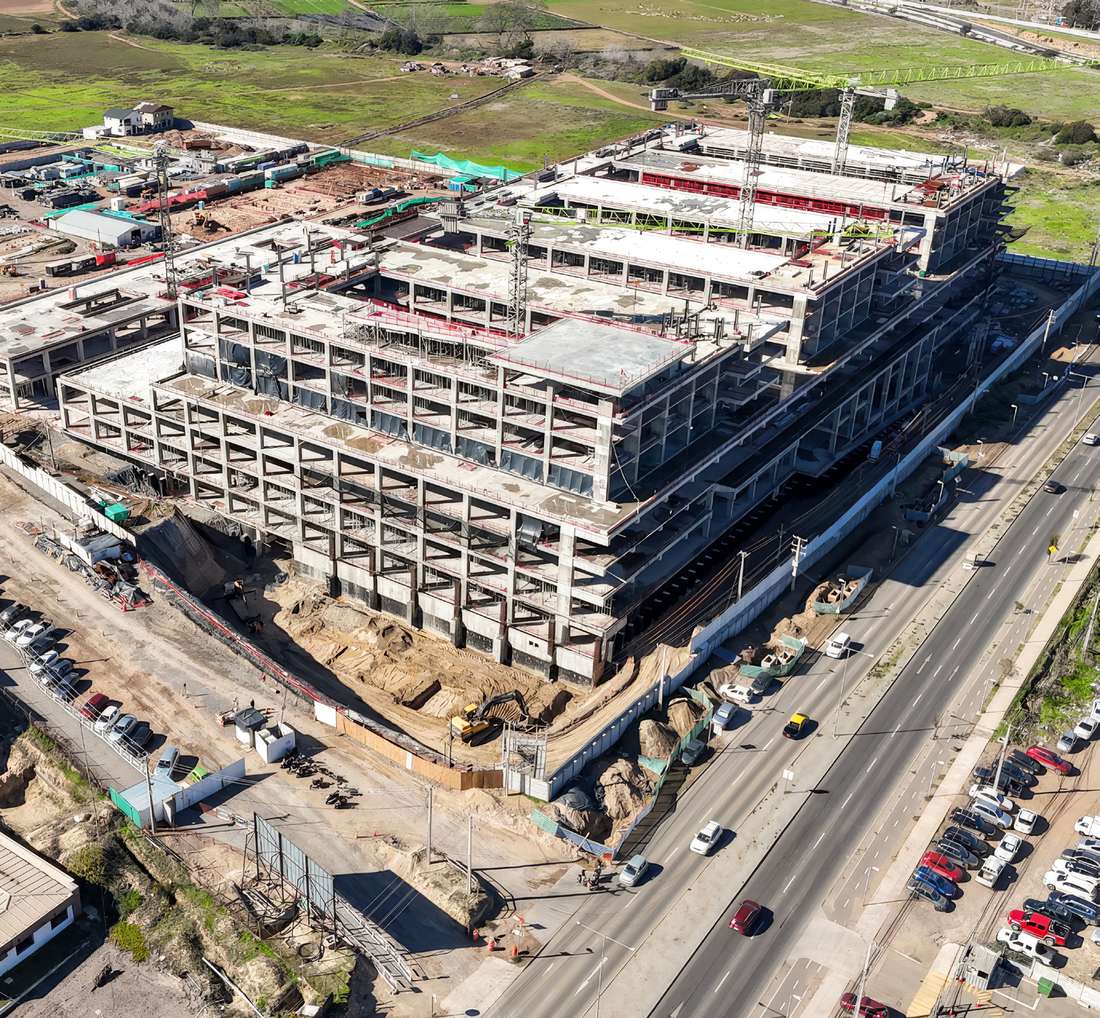
Coquimbo Hospital
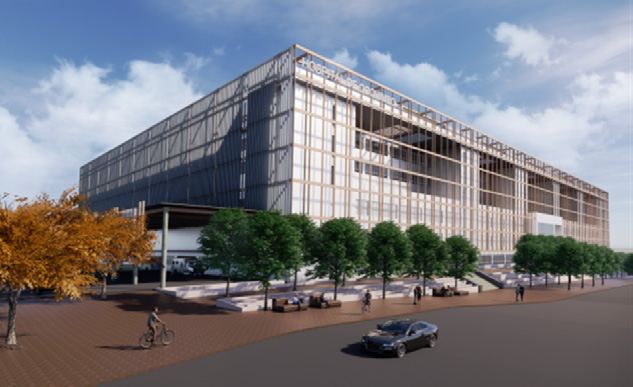
The Coquimbo Hospital project involves the construction of a new hospital in Coquimbo, with a total capacity of 605 beds and 22 operating rooms. The new hospital will be four times larger than the current facility, benefiting over 800,000 people across the Coquimbo and Atacama regions.
This project includes the design, construction, maintenance, and operation of the hospital infrastructure, as well as the acquisition, replacement, administration, and maintenance of medical equipment, clinical and non-clinical furniture.
Disclaimer
The information contained in this Green Financing Report does not constitute a recommendation regarding any securities of Bci. This Green Financing Report is not, does not contain and may not be intended as an offer to sell or a solicitation of any offer to buy any securities issued by Bci or any of its subsidiaries. In particular, neither this document nor any other related material may be distributed or published in any jurisdiction in which it is unlawful to do so, except under circumstances that will result in compliance with any applicable laws and regulations. Persons into whose possession such documents may come must inform themselves about, and observe, any applicable restrictions on distribution. Although the information herein has been obtained from sources believed to be reliable, neither Bci nor any of its affiliates makes any representation or warranty, expressed or implied, with respect to the fairness, correctness, accuracy, reasonableness or completeness of the information and opinions. Nothing in this document constitutes a representation that any investment strategy contained herein is suitable or appropriate to a recipient’s individual circumstances.